
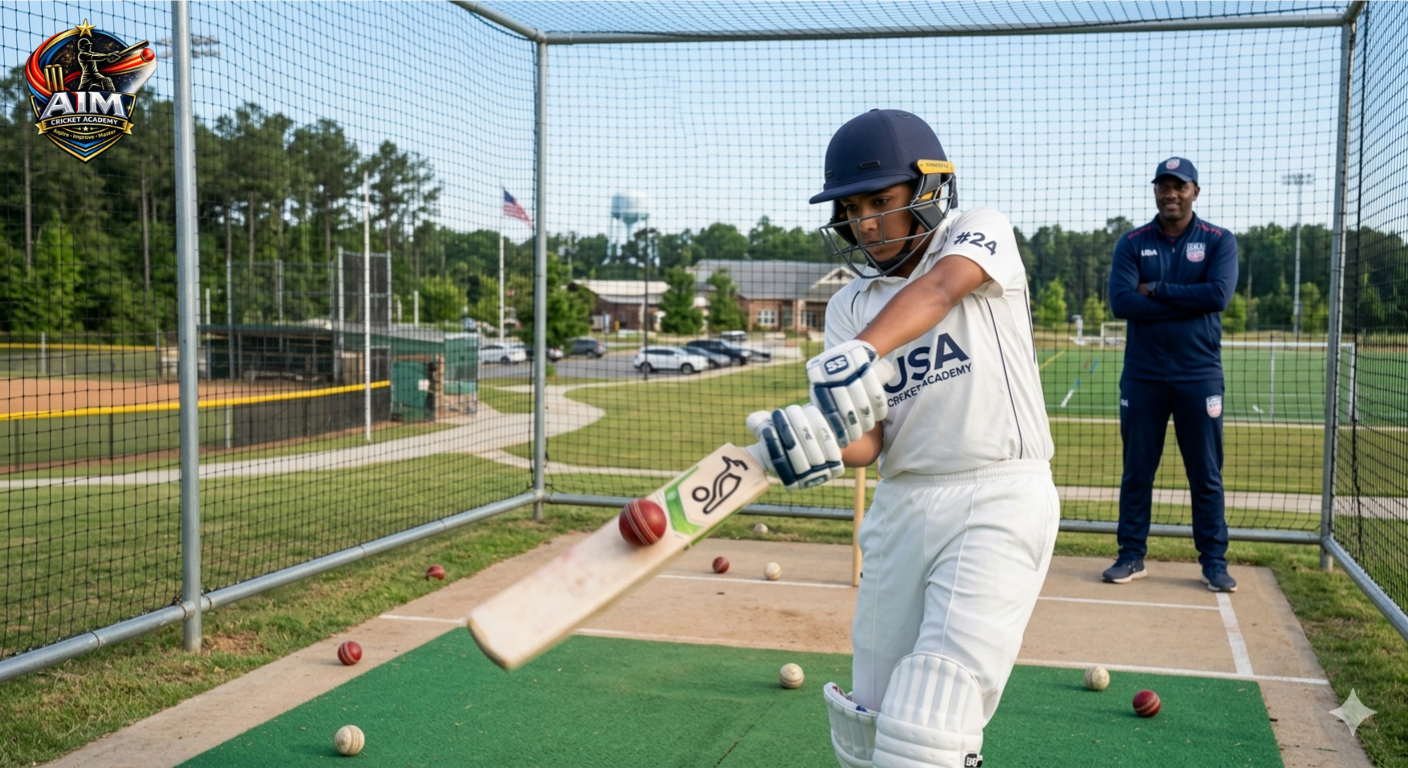
The journey from a backyard enthusiast to a confident player on the pitch is an exciting one, but it often leaves parents and young athletes with a burning question: How much is too much? In the world of youth sports, there is a fine line between building mastery and risking burnout.
Cricket is a sport of high technicality and physical endurance. Finding the “sweet spot” for practice depends largely on the child’s developmental stage, their physical maturity, and their long-term goals. Here is a breakdown of how to structure a young cricketer’s week to ensure they stay sharp, healthy, and most importantly, in love with the game.
The Foundation: Quality Over Quantity
In the early stages, the goal isn’t to log 20 hours a week in the nets. Instead, the focus should be on “deliberate practice.” This means every session has a specific purpose, whether it’s refining a defensive stroke or perfecting a bowling run-up. For children, excessive repetition can lead to overuse injuries, particularly for young fast bowlers whose bones are still developing.
A balanced weekly schedule should include a mix of technical drills, match-play scenarios, and general athletic development (like agility and strength training).
Development Stages and Weekly Hours
To help categorize practice needs, we look at developmental tiers that align with age and skill level.
AIM Basics (Age 7+, All Genders):
At this entry level, the focus is purely on engagement and fundamental movement. Practice should occur 1 to 2 times per week, lasting about 60 to 90 minutes per session. The objective is to develop hand-eye coordination and basic game understanding through fun, high-energy drills.
AIM Development (Age 7+, All Genders & Performance):
As players move into this tier, they begin to transition from “learning to play” to “playing to compete.” A recommended schedule is 2 to 3 sessions per week. This allows for one session dedicated to specialized coaching (batting or bowling techniques) and another for team-based match simulations.
AIM Performance (Age 8+, All Genders):
For those showing a higher level of commitment and talent, the intensity increases slightly. 3 to 4 sessions per week is standard. At this stage, players should also incorporate “active recovery” days where they focus on mobility and watching professional matches to improve their tactical IQ.
Avoiding the Burnout Trap
It is vital to remember that young athletes need at least two full days off from organized sports per week. These rest days allow the body to repair tissues and the mind to reset. Over-training often manifests as a drop in performance, irritability, or recurring “niggles” in the back or shoulders.
The best way to measure if the volume is right is to monitor the child’s enthusiasm. If they are eager to grab their kit bag, the balance is likely correct. If it starts feeling like a chore, it’s time to scale back and prioritize the joy of the sport.
Elevate Your Game with AIM Cricket Academy
Finding the right balance requires expert guidance and a structured environment that puts the player’s health first. At AIM Cricket Academy, we specialize in nurturing talent through our tiered programs: AIM Basics, AIM Development, and AIM Performance. Whether your child is just picking up a bat for the first time at age 7 or is an aspiring 8-year-old athlete ready for high-performance training, our academy provides a safe, professional, and inclusive space for all genders. We combine elite-level coaching with a focus on long-term athletic development, ensuring every young cricketer has the tools to succeed on and off the field. Join AIM Cricket Academy today and watch your child’s passion for the game reach new heights.