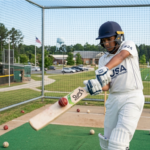
Walk into a park in Frisco, Texas on a Saturday morning and you’ll find multiple cricket matches running at the same time. Drive through the suburbs of New Jersey, Northern Virginia, or the Twin Cities and you’ll spot makeshift pitches on school fields — families setting up stumps, kids in whites, someone’s dad doing an animated impression of a spin bowler. Cricket has arrived in America. It just didn’t announce itself very loudly.
The growth has been quiet but relentless. In 2024, the United States co-hosted the ICC Men’s T20 World Cup — the first time a global cricket event of that scale was held on American soil. The games sold out. The venues surprised everyone. And for millions of first and second-generation immigrants who grew up with the sport, it felt like long overdue recognition of something they had quietly kept alive for years.
A diaspora that never stopped playing
Cricket’s roots in America run deeper than most people credit. Indian, Pakistani, Sri Lankan, Bangladeshi, and West Indian communities have been playing organized cricket in the US for decades — in backyards, community grounds, and club leagues that rarely made the news but never stopped running. According to USA Cricket, there are now over 200,000 registered players in the country, and that number doesn’t account for the far larger number playing informally. By the time the mainstream started paying attention, these communities had already built the foundation: the coaches, the culture, and the kids who grew up watching the sport at home and wanting to play it themselves.
“The T20 World Cup didn’t create cricket in America. It made the rest of the country look up and notice what was already there.”
T20 changed everything for new audiences
One of cricket’s biggest barriers in the American market has always been time. A Test match runs five days. Even a One Day International is an eight-hour commitment. T20 cricket broke that barrier completely. A match lasts around three hours, moves fast, and delivers the kind of big moments that American sports fans respond to. Viewership numbers from the 2024 World Cup surprised broadcasters. Interest in youth programs spiked in every city that hosted matches. Cricket had finally found its American format.
Youth participation is the real story
The most meaningful shift isn’t happening at the professional level — it’s happening in academies and youth leagues across the country. Second-generation South Asian kids who grew up watching IPL with their families are now asking to play the game, not just watch it. Parents who never played cricket are signing their children up for structured coaching because they see what the sport develops — patience, tactical thinking, hand-eye coordination, and a kind of quiet discipline that transfers well beyond the pitch.
This is the generation that will determine whether cricket in America stays a community sport or becomes genuinely mainstream. The waitlists at youth academies, the growth in club registrations, and the number of kids picking up a bat for the first time all point in the same direction.
Infrastructure is finally catching up
For years, the lack of proper facilities was a genuine constraint on growth. Indoor cricket centers have now opened in multiple cities. Purpose-built turf lanes are available in states where a batting net was nearly impossible to find a decade ago. USA Cricket has invested in a national junior pathway, and several states now have representative programs that give talented young players a route to higher competition. The sport still has ground to cover before it challenges baseball or soccer for youth participation at a national scale — but the trajectory is real, the interest is genuine, and the communities building it have been patient enough to do it properly.
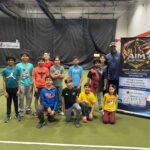
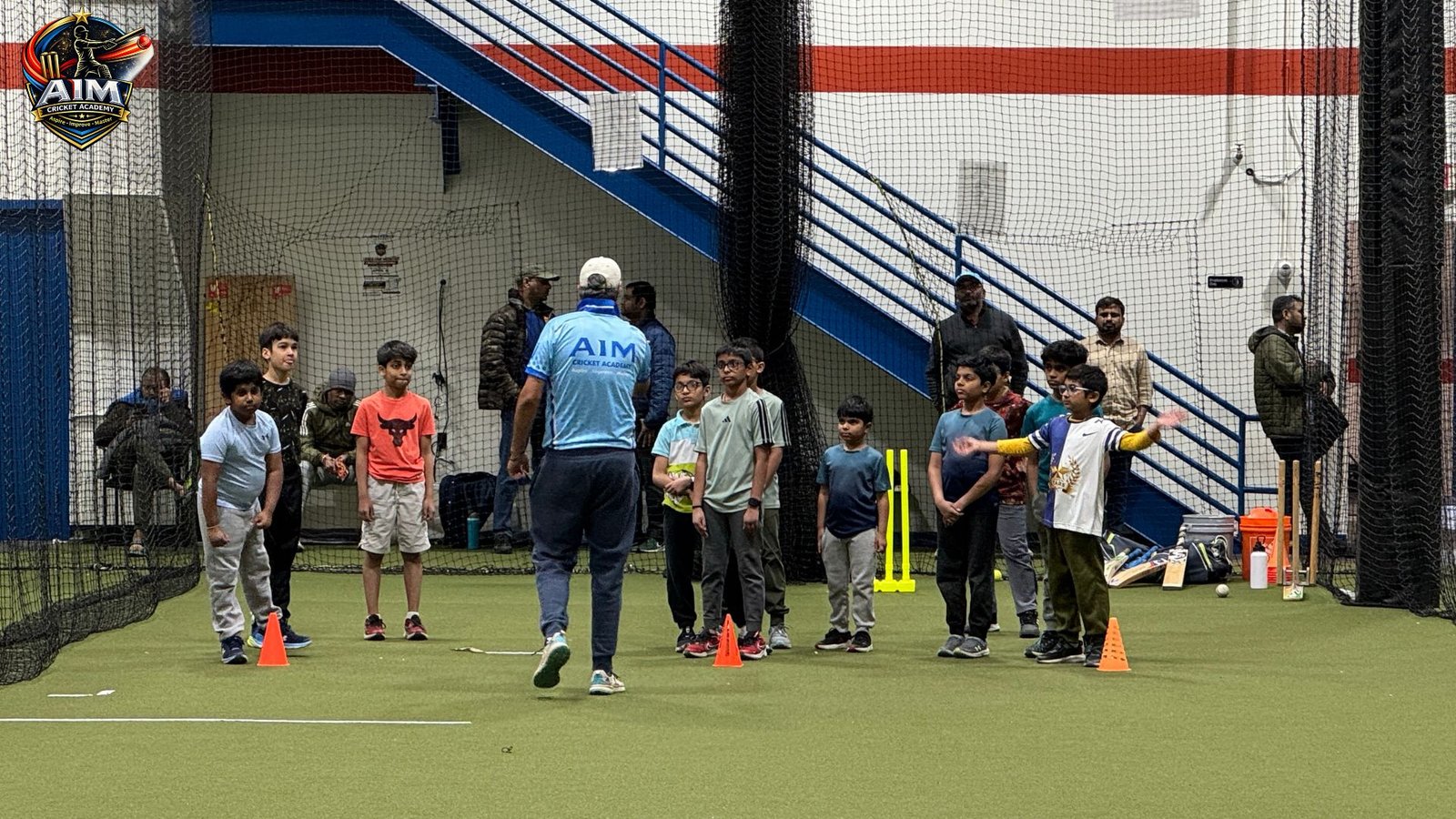
If you’re in the Twin Cities and want your child to be part of this wave, AIM Cricket Academy is Minnesota’s dedicated cricket coaching program for young players aged 7 and up. With skill-based programs, age-group squads from U11 to U15, and private lessons across multiple suburbs — from Burnsville to Eden Prairie — AIM is where the next generation of Twin Cities cricketers is getting started.